Add Row
Add Element
vitality for men
update

Vitality for Men Atlanta

update
Add Element
  • Home
  • Categories
    • Men's Health
    • Vitality
    • Fitness
    • Nutrition
    • Lifestyle
    • Mental Health
    • Atlanta
    • Self-Care
    • News
Add Element
  • update
  • update
  • update
  • update
  • update
  • update
  • update
March 21.2025
3 Minutes Read

Transform Your Skin Health: How the Mediterranean Diet Can Help Ease Psoriasis, Acne, and Hidradenitis Suppurativa

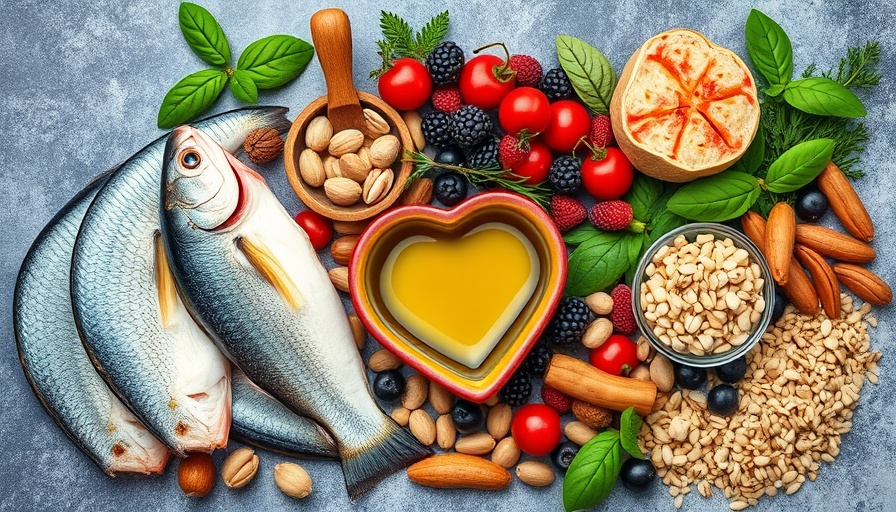
Mediterranean diet skin health foods including fish and berries.

Discovering the Mediterranean Diet: A Natural Ally for Skin Health

The Mediterranean diet has long been celebrated not just for its mouthwatering flavors and vibrant dishes but for its profound health benefits. Recent research highlights its potential in alleviating skin conditions such as psoriasis, acne, and hidradenitis suppurativa, particularly for men aged 35-55, a demographic often grappling with skin health issues amid their busy lives.

Understanding Skin Conditions and Their Impact

Psoriasis, acne, and hidradenitis suppurativa can significantly affect self-esteem and lifestyle. Often, males in the professional realm struggle with the implications of skin health on their personal and work lives. Addressing these concerns through dietary changes like the Mediterranean diet poses a clinically backed avenue toward improved skin care and overall well-being.

What Sets the Mediterranean Diet Apart?

The Mediterranean diet emphasizes whole foods, rich in fruits, vegetables, lean proteins, whole grains, and healthy fats—think olive oil and nuts. These ingredients are packed with antioxidants and anti-inflammatory properties that can soothe irritated skin. A diet high in processed foods and sugars, on the other hand, has been linked to worsening skin conditions, making dietary adjustments impactful.

The Science Behind the Diet’s Efficacy

Studies have shown that the Mediterranean diet can lower inflammation markers in the body, a key factor in skin diseases. For instance, individuals following this diet reported fewer flare-ups and visible improvements in their conditions. This diet's high omega-3 fatty acids also contribute to skin health by retaining hydration and reducing inflammation, which are vital for managing flare-up conditions common in the target audience.

Real-Life Testimonials: Transformative Journeys

Consider the story of David, a 42-year-old fitness enthusiast who struggled with psoriasis for years. After adopting the Mediterranean diet, he noted a remarkable difference in both his skin clarity and overall energy levels. “It was incredible! Not only did I feel better, but I also noticed that my skin was much healthier. The variety of foods kept me excited about eating healthy.”

Staying Active: The Connection with Nutrition

For fitness professionals and gym enthusiasts, nutrition is a key component of their success. Integrating the Mediterranean diet provides a wealth of energy and nutrients that pair perfectly with their active lifestyles. Foods like salmon, almonds, and leafy greens can nourish the body and skin, creating a holistic approach to health and fitness.

Practical Tips: How to Embrace the Mediterranean Lifestyle

Making the switch doesn’t have to be drastic. Here are some simple ways to incorporate Mediterranean principles into your daily diet:

  • Start your day with a bowl of oatmeal topped with fresh fruits and nuts.
  • Swap out your usual snacks for hummus and veggie sticks instead of chips.
  • Embrace salads with a variety of colorful veggies, topped with olive oil and vinegar.
  • Try to add fish to your meals at least twice a week, choosing fatty fish like mackerel or salmon.

Conclusion: Your Path to Healthier Skin and Lifestyle

The Mediterranean diet is more than just a nutrition regimen; it's a lifestyle choice that fosters sustainable health, particularly for men looking to improve their skin conditions. By focusing on wholesome foods and reducing inflammation through diet, you can pave the way to not just better skin health but improved vitality overall. Making conscious dietary choices can be both rewarding and delicious!

As you contemplate the integration of the Mediterranean diet, consider exploring additional resources or local cooking classes that focus on this nutrition style to truly enhance your experience.

Vitality

4 Views

0 Comments

Write A Comment

*
*
Related Posts All Posts
12.13.2025

Massive Genetics Study Reveals Connections in 14 Psychiatric Disorders That Men Must Know

Update Understanding the Genetic Overlap in Psychiatric Disorders A groundbreaking study, recently published, reveals fascinating insights into the genetic foundations of 14 psychiatric disorders. This massive genetics research is crucial in shedding light on how these disorders are not just separate entities but share significant genetic connections, reshaping our understanding of mental health. The Shared Genetic Landscape Recent findings indicate that over half of the population will encounter at least one psychiatric disorder at some point in their lives, with many experiencing multiple disorders concurrently. The study highlights the intricate web of shared genetic factors among conditions like schizophrenia, bipolar disorder, and major depression. A staggering average of 66% of the genetic variance in these disorders is interconnected, suggesting that rather than isolated illnesses, they are interwoven threads in the fabric of mental health. Unraveling the Pleiotropic Mysteries Pleiotropy, where a single gene influences multiple traits, is a pivotal concept in this research. The data uncovered 238 genetic loci associated with various psychiatric disorders, emphasizing the vast biological processes at play, including critical aspects like transcriptional regulation. Most notably, the distinctions between disorders are often minimal, with some factors, such as the shared genetic signals manifesting predominantly in genes involved with excitatory neurons or in oligodendrocyte biology. This insight paves the way for more effective treatment approaches targeting common comorbid presentations. Why This Study Matters for Men’s Health For men aged 35-55, actively engaged in professional and fitness pursuits, understanding the complexities of mental health is more critical than ever. The findings highlight that mental health issues can affect any individual, regardless of their external circumstances. Recognizing these genetic connections encourages proactive mental health management, making it vital to prioritize mental wellness alongside physical health. Actionable Insights for Mental Health Awareness The implications of this study extend beyond genetics. Here are key takeaways that can guide proactive mental health strategies: Education is Key: Understanding the genetic aspects of mental health can empower individuals to seek help earlier and normalize conversations around psychiatric disorders. Prioritize Mental Well-being: Just as physical health is prioritized in fitness routines, mental exercises such as mindfulness and cognitive flexibility should be integral to a balanced lifestyle. Evaluation and Support: Regular mental health evaluations, especially for those with family histories of psychiatric disorders, can lead to timely interventions and support. Future Directions in Psychiatric Genetics As we further delineate the genetic factors contributing to psychiatric disorders, this research opens new avenues for treatment development. Innovative therapies may become available, targeting specific genetic pathways associated with these disorders, improving outcomes for countless individuals. Reconnecting with Community for Support Another essential aspect lies in community support. Engaging in dialogues about mental health within communities can reduce stigma and encourage individuals to share their experiences. Group therapy sessions or peer-support groups provide invaluable resources that enhance our understanding and compassion for those faced with mental health challenges. Final Thoughts Understanding the genetic distinction and commonality among psychiatric disorders is not just an academic exercise; it’s an indelible part of living a fulfilling life. By embracing these insights, we can foster a society more attuned to the interrelatedness of mental health and help those struggling find the support they need. Advocating for mental wellness is just as crucial as promoting physical health—a balance that could lead to healthier lifestyles for men and society at large. As we continue to learn from such studies, let’s collectively advocate for mental health awareness and support, ensuring no one has to navigate these challenges alone.

12.12.2025

Exploring Your Body's Metabolic Changes During an Ultramarathon

Update The Unseen Physical Changes During an Ultramarathon As ultra-distance events have gained popularity in recent years, a new study sheds light on the significant metabolic changes athletes experience during these grueling tests of endurance. Ultramarathons, defined as races longer than the traditional 26.2 miles, push the human body to its limits and force it to adapt in remarkable ways. Understanding these changes not only helps athletes prepare but also informs professionals about the impacts of extreme physical exertion. Why Metabolic Changes Matter When participating in an ultramarathon, the human body transitions through various phases of energy metabolism that can profoundly affect performance and recovery. The study highlights that as participants engage in extended running, their body relies increasingly on fat as a fuel source instead of carbohydrates. This switch not only conserves glycogen stores, which are limited, but also enhances the efficiency of fatty acid utilization. Environmental and Nutritional Factors That Influence Performance Many athletes often underestimate how environmental factors, such as weather and terrain, can impact their metabolic efficiency. For instance, running in high heat or humidity can lead to dehydration, which negatively affects energy production. Staying hydrated and maintaining appropriate electrolyte levels are crucial strategies for athletes aiming to optimize their performance. Additionally, nutrition strategies, including carbohydrate loading and post-race recovery meals, play an essential role in how efficiently the body metabolizes during and after the race. Recovery: The Body’s Remarkable Resilience Interestingly, the study also addresses the recovery process post-ultramarathon. After the race, the body undergoes repair and adaptation mechanisms. Muscle soreness experienced by many athletes is not just discomfort; it's a signal of the body repairing and strengthening itself. For fitness enthusiasts, acknowledging this recovery phase is vital for long-term athletic growth. Experts suggest that proper rest, nutrition, and hydration post-race can significantly influence how quickly an individual returns to full strength. Actionable Insights for Aspiring Ultramarathoners If you’re considering participating in an ultramarathon or enhancing your endurance activities, knowing these metabolic shifts can guide your training regimen. Start by incorporating longer runs into your schedule, focusing on building endurance over sheer speed. Additionally, experiment with different hydration and nutrition strategies during training to find what works best for your body. Emotional Connection: The Ultrarunner Experience Finally, beyond the physical changes come the emotional and psychological transformations experienced during these ultra-events. Many participants report a profound sense of achievement and community, sharing in the experience of pushing their limits with fellow runners. This human connection strengthens the drive to undertake such extreme challenges and ultimately encourages healthier lifestyle choices. Final Thoughts: Embracing the Challenge As ultramarathons grow in popularity, it’s essential for athletes, fitness professionals, and enthusiasts to stay informed about the physiological and psychological changes induced by these events. Continuous learning is critical, not only to enhance performance but also to ensure longevity in athletic pursuits. If you're inspired by these insights, consider diving deeper into the world of ultramarathons or embrace more sustainable fitness perspectives within your daily life.

12.11.2025

Understanding Food Additives: Insights for Health-Conscious Adults

Update Mapping the Invisible: The Journey of Food Additives in Our Diets The recent national study revealing the origins of food additives in children’s and adults’ diets sheds light on an often-overlooked aspect of our nutrition. While many of us focus on macronutrients such as protein, fats, and carbohydrates, the ingredients that permeate our foods can formally influence our health. Knowing where these additives come from is crucial in understanding the larger picture concerning our dietary choices, especially among adult men who are health-conscious and actively participate in fitness routines. Understanding Food Additives: Why They Matter Food additives are substances used to preserve flavor or enhance the taste and appearance of food. In many cases, they serve essential purposes in maintaining the quality and safety of processed foods. However, the source of these additives can vary from natural origins to synthetic components, raising numerous questions about their health implications. The new research highlights that children consume a higher percentage of synthetic additives than adults, indicating a potential area of concern for parents navigating their children’s diets. The Statistics Speak: Current Findings from the Study According to the study, conducted by researchers who analyzed food intake data from thousands of participants across the nation, children obtain about 60% of their food additives from ultra-processed foods—products that are significantly modified from their original form and often contain ingredients not typically found in a home kitchen. For adult men, the number stands closely at 50%. These statistics are alarming as they reflect a dependency on foods that may lack nutritional value and are laden with potentially harmful additives. Cultural Perspectives on Diet: What's Driving Consumption? The consumption of ultra-processed foods, particularly in modern societies, stems from several socio-economic factors. For busy professionals, the convenience of ready-to-eat meals significantly contributes to dietary choices. As fitness enthusiasts and health-focused individuals, men aged 35-55 might unknowingly overlook the long-term effects of frequently consuming these products. Escalating stress from daily routines can lead to a reliance on convenient food options, pushing individuals towards making less informed dietary choices. Counterarguments: The Case for Processed Foods On one hand, arguments exist in favor of processed foods such as their ability to extend shelf life and reduce food waste. Moreover, they offer convenience—helping many juggle their busy lifestyles. But the critical question remains: at what cost? The debate around the benefits versus drawbacks of processed foods is ongoing. Engagement in fitness and wellness routines often hinges on the underlying nutritional quality of food consumed, urging consumers to become more discerning about their choices. Empowering Your Choices: Actionable Insights What can you do to make informed dietary choices? Start by understanding the labels on your food products. Look for transparency in ingredient lists and opt for brands showcasing natural additives over synthetic ones. Prioritize whole foods where possible, such as fruits, vegetables, lean proteins, and whole grains—the essence of a balanced diet. Fostering Awareness in the Community Communities also play a vital role in promoting healthier eating habits. Local advocacy groups and nutrition workshops can raise awareness regarding the implications of food additives and ultra-processed foods. These initiatives can encourage individuals to share personal experiences and strategies to improve community health through better diet choices. Final Thoughts: Your Diet, Your Impact The personal choices you make can have far-reaching effects, not just on your health but also on future dietary trends. As you become more aware of where your food comes from and the role of additives, you empower yourself to take charge of your own nutritional journey. Being mindful of what you consume enables you to pave the way toward a healthier lifestyle, inspiring those around you to follow suit. Ready to explore more about optimizing your diet? Understanding food additives and their origins is just the beginning. Share your thoughts and experiences with others to inspire a healthier community. Make that first step today!

Terms of Service

Privacy Policy

Core Modal Title

Sorry, no results found

You Might Find These Articles Interesting

T
Please Check Your Email
We Will Be Following Up Shortly
*
*
*