Add Row
Add Element
vitality for men
update

Vitality for Men Atlanta

update
Add Element
  • Home
  • Categories
    • Men's Health
    • Vitality
    • Fitness
    • Nutrition
    • Lifestyle
    • Mental Health
    • Atlanta
    • Self-Care
    • News
Add Element
  • update
  • update
  • update
  • update
  • update
  • update
  • update
April 19.2025
3 Minutes Read

Why the Space Force is Delaying the Atlas V Launch: A Deeper Look

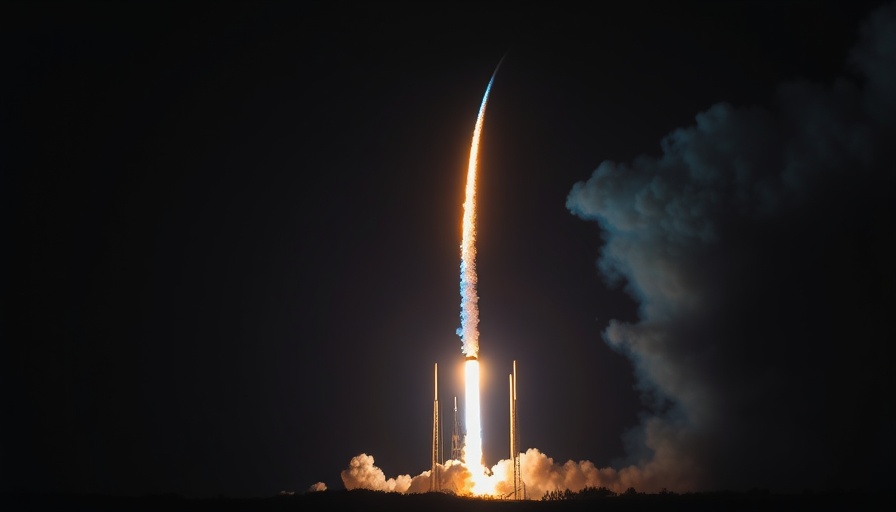
Rocket ascending with colorful exhaust trail during a delayed Atlas V launch.

The Space Force's Pending Problem: Unpacking the Atlas V Delay

The anticipation around the launch of the Atlas V rocket—with its payload of 27 satellites for Amazon's Project Kuiper broadband network—was palpable. This launch, initially slated for April 9, was prepped at Cape Canaveral Space Force Station but was unexpectedly delayed due to bad weather.

In a typical scenario, a weather-related delay might trigger a scramble for rescheduling. However, what makes this situation unique is the directive from ULA's launch director to proceed with an 'extended turnaround.' This decision suggested that deeper complications were at play, hinting at underlying challenges beyond just weather disruptions.

Understanding the Circumstances: What Lies Beneath?

Initially, it was assumed that SpaceX's scheduled launch of Starlink satellites overlapped with the Atlas V's intended window, leading to this unusual wait time. With an impressive record of managing 93 military launches last year, the Space Force typically runs a tightly coordinated schedule. Military officials emphasize their capability to handle concurrent launches, but delays such as these expose complexities in managing launch priorities.

A significant factor might be the Space Force's shift towards more responsive launch capabilities. This transition reflects a strategic response to increasing competition, particularly from commercial entities like SpaceX, which has successfully launched multiple times without noticeable setbacks.

Exploring the Implications: What Does This Mean for Space Launches?

The delay of the Atlas V launch underscores a pivotal moment in the realm of space exploration and commercial competition. With more than 3,200 satellites projected for Amazon's project, a competitive response to SpaceX's Starlink services is intensifying. The Space Force’s commitment to maintaining a robust operational tempo signals the necessity for a diverse range of launch options to compete in this rapidly evolving market.

Future Insights: The Landscape of Space Launches

Looking ahead, the trends suggest that the demand for responsive launch capabilities will only increase. While the Space Force is working on adapting its operations to enhance their readiness, delays like the one witnessed this April could shift the prioritization of launches even further. This newly marked importance on flexible launch schedules may invite greater scrutiny from stakeholders invested in successful satellite deployments.

The trajectory reveals a burgeoning relationship between military operations and commercial tech endeavors. The need for innovation, efficiency, and coordination will dictate future readiness, making delays a significant consideration for all parties involved.

Potential Consequences: Risks, Challenges, and Diverse Perspectives

Moreover, delays can have cascading effects. They put at risk not just the expected outcomes of satellite completion, but also the broader strategic priorities of the U.S. space agenda. It raises concerns about how competitive pressures could influence operational protocols. Partnering commercial entities with military objectives is a delicate balance, and stakeholder confidence can be shaken by such postponements.

Interestingly, as private enterprise—like Amazon with its Kuiper initiative—steps more into the limelight, public opinion and governmental support for military endeavors may be questioned. Building this relationship requires transparency, and instances that appear haphazard may invoke skepticism.

Summing It Up: The Future of Launch Dynamics and Strategic Adaptability

In conclusion, the ongoing delays of the Atlas V launch are not just mere inconveniences; they symbolize a transition period in the U.S. space landscape as it grapples with new realities of commercial spaceflight. As companies like ULA and Amazon rise against incumbents like SpaceX, the Space Force’s role will likely evolve in tandem. Understanding these dynamics offers professionals and enthusiasts alike insights into the changing face of our journey beyond Earth.

In navigating through complicated launch schedules, while innovative solutions are critical to fostering growth and sustainability in the burgeoning space economy, they also require careful consideration to prevent the emergence of operational limitations.

Call to Action: Stay engaged with the trajectory of technological changes in space exploration and how they can impact your interests. Understanding these developments prepares you for emerging trends that can transform various industries.

News

1 Views

0 Comments

Write A Comment

*
*
Related Posts All Posts
12.13.2025

Star Wars: Fate of the Old Republic Unveils KOTOR's Spiritual Successor

Update Reimagining an Iconic Legacy: The Announcement of Fate of the Old Republic The excitement surrounding the announcement of Star Wars: Fate of the Old Republic is palpable. Following a teaser reveal at The Game Awards, fans are abuzz with speculation and expectations set high by its spiritual connection to the beloved Knights of the Old Republic (KOTOR) series. Spearheaded by original KOTOR director, Casey Hudson, this game emerges from a potent legacy that shaped the RPG genre and the Star Wars universe. A New Vision for a Classic Franchise Casey Hudson, now at the helm of Arcanaut Studios, aims to forge a fresh path while honoring the core elements that made the original games so special. Hudson described KOTOR as a "defining experience," emphasizing his commitment to delivering an immersive narrative that allows players to exercise their agency in a richly crafted Star Wars world. Hudson stated, "It took the right conditions to get everything to line up," reinforcing that this collaboration with Lucasfilm Games has long been a goal for him. What to Expect from Fate of the Old Republic While Fate of the Old Republic is not a direct sequel, it is set in the expansive lore predating the majority of the cinematic stories, offering an abundance of opportunities for innovation in storytelling. Douglas Reilly, VP and GM of Lucasfilm Games, explained that this game will not just retell KOTOR’s tales but will introduce new characters and narratives to explore. “Quite literally, infinite stories to tell,” he assures fans itching for fresh content within the galaxy. The Teaser: What It Reveals The teaser trailer delivers a taste of what's to come, featuring sequences of a crew navigating the remnants of an ancient starship amid a rain-soaked terrain. This imagery sets a suspenseful tone, hinting at both new adventures and familiar themes of the light versus dark struggle that defines Star Wars. Enthusiasts are already dissecting the visual elements, searching for clues about the game’s plot intricacies and character connections. The Fan Community and High Expectations As the news breaks, discussions within the fan community highlight both excitement and cautious optimism. Many are eager to see how Arcanaut Studios will diversify the storytelling while embracing the roots of KOTOR. Historically, strong narratives have prevailed in the Star Wars video game domain, forming connections with players on emotional and cerebral levels. The resounding question arises: Can Hudson and his new team capture the essence of what once captivated audiences over two decades ago? The Role of Casey Hudson in Gaming Evolution Hudson’s journey with Bioware has profound implications for the trajectory of interactive storytelling. After pivotal roles in the development of KOTOR and the acclaimed Mass Effect series, his return to Star Wars feels like a reunion with an old friend. Hudson articulated a desire for Fate of the Old Republic to delve into player choices and narrative depth, thus continuing to challenge traditional gameplay structures. Next Steps for Fans While details on the gameplay features remain sparse, the next few years promise to be a period ripe with expectations and discussions among fans. The strategic decision to announce this project now, even in its early stages, indicates a commitment to fostering community engagement during development. Fans are encouraged to follow updates closely, paving the path for anticipation that only the Star Wars universe can evoke. By sharing insights, theories, and support, players can become part of the journey leading up to the game's eventual release. Conclusion: Awaiting the Galactic Adventure Star Wars: Fate of the Old Republic holds the potential to be more than just a nostalgic trip; it could redefine what Star Wars gaming can achieve in a technologically advanced landscape. For those who cherish interactive storytelling and immersive environments, this announcement is a reason to celebrate. Prepare for a journey filled with new challenges and rich stories yet to be told in a galaxy far, far away.

12.13.2025

What Should You Know About the New U.S. Social Media Requirement for Travel?

Update New Visa Waiver Requirements: A Closer Look The U.S. Department of Homeland Security is proposing a controversial new measure that could significantly alter the entry requirements for foreign visitors. Under the new rules, travelers from 42 countries participating in the visa waiver program could be mandated to provide five years' worth of social media history for entry into the United States. This proposal builds on existing scrutiny levels, aiming to align with President Trump's broader immigration policies. Implications on Privacy and Security The proposal raises pressing questions regarding privacy rights and national security. By requiring a detailed account of social media activity, the government seeks to identify potential threats among visitors. Officials argue that these measures are intended to ensure safety, yet critics highlight how they could infringe on personal liberties. Law experts warn that the subjective interpretation of 'suspicious activity' in social media could lead to unfair rejections of entry applications. Cultural Insights and Global Perspectives This heightened scrutiny reflects a shifting attitude towards immigration in the U.S. and could affect the global landscape of travel. Countries historically engaged in amicable relations with the U.S. might reassess their diplomatic ties as travelers assess the added risks of personal data exposure. Moreover, the potential to categorize visitors based on their online persona could deter genuine tourists, impacting cultural exchange and economic benefit. Future of International Travel As officials collect feedback on this proposed measure until February 9, the implications resonate throughout the travel industry. Airlines and tourism boards are on alert, anticipating how stricter measures could affect travel volumes. A mobile-only application system and biometric requirements are also set to replace traditional processes, indicating a significant overhaul of how travelers interact with U.S. border security. Decisions You Can Make With This Information For potential travelers to the U.S., understanding these regulations is crucial. Review your social media presence carefully, as it could influence entry decisions. Limiting the digital footprint by clarifying your public profiles and refraining from contentious postings could mitigate risks. Additionally, consulting immigration attorneys for personalized advice could equip travelers with strategies to navigate these evolving entry requirements. As the conversation about travel restrictions continues, the public is encouraged to participate in the comment period. Engaging in dialogue about these policies not only informs the government but also influences how future travel laws evolve. Stay informed and proactive about your travel plans to ensure smoother entry experiences in the U.S.

12.12.2025

NASA’s Recent Losses of Mars Orbiter: Exploring the Future of Space Communication

Update NASA's Silence: The MAVEN Mission and Its Implications NASA has recently faced a significant setback in its Martian exploration efforts as communication with the Mars Atmosphere and Volatile Evolution (MAVEN) spacecraft was lost on December 6, 2025. For over a decade, MAVEN has operated quietly but significantly, contributing essential data regarding the Martian atmosphere and its interactions with solar wind. However, as it slipped behind Mars, signals ceased to reach Earth, leaving mission controllers scrambling for answers. The Importance of MAVEN and Its Journey MAVEN, which entered Mars’ orbit back in 2014, was initially designed for a mission lasting just one year. Yet it has far surpassed expectations, acting as a pivotal player in understanding how Mars transitioned from a warm, wet planet into the cold desert it is today. Through its studies, MAVEN has revealed that solar winds are responsible for eroding Mars’ atmosphere over billions of years—a critical insight for scientists aiming to unravel the planet's climatic history. In addition to its scientific contributions, MAVEN serves as a crucial communication relay for NASA’s rovers currently operating on Mars, like Curiosity and Perseverance, amplifying its role in ongoing Martian studies. What’s Next for NASA and Mars Exploration? As the loss of MAVEN signals potential hurdles for NASA’s ongoing Mars missions, the agency is investing in future projects designed to bolster its communication capabilities. With MAVEN's operational status uncertain, NASA still relies on its two other orbiters: Mars Odyssey and the Mars Reconnaissance Orbiter. However, both spacecraft are aging, with Mars Odyssey already showing signs of impending fuel depletion and Mars Reconnaissance Orbiter expected to last well into the 2030s. This aging fleet raises alarm bells for mission planners, highlighting the urgency for swift new missions to Mars. The Need for Next-Gen Missions NASA's long-term plans include the Mars Telecommunications Orbiter, a project that had been proposed and canceled multiple times but is currently being revitalized. With a budget of around $700 million, this orbiter is envisioned to provide a robust backbone for communication between Mars and Earth. This initiative reflects an increasing awareness within NASA of the necessity to continually invest in new technologies and infrastructure as the demands for Martian communications increase. Global Perspectives and Future Missions The urgency for American advancements in Mars missions comes at a time when other nations, such as China and the UAE, are making strides in Martian exploration. While their orbiters contribute valuable data, neither currently serve as communication relays. This scenario places significant responsibility on NASA for reliable data transfer as missions on the Martian surface evolve. In addition to this, partnering with international space agencies could bolster efforts to finalize new missions as competition increases. Closing Thoughts: What This Means for Science Enthusiasts As enthusiasts and potential new space explorers, the community must stay engaged with updates about MAVEN and future missions. NASA's challenges in maintaining reliable communication to Mars reflect broader issues concerning technological investments in space exploration. The attributes of high stakes and groundbreaking discoveries intertwined with the exploration of other planets make this not just a scientific mission but a testament to humanity's curiosity and resilience. The next era of Mars exploration awaits, and every citizen has a role to play in supporting and advocating for scientific endeavors. The fate of MAVEN may still develop further, but it underscores the urgency of continued investment in interplanetary exploration. As NASA contemplates its next moves, individuals passionate about science, technology, engineering, and math can advocate for intelligent policies that ensure the future of exploration. So keep your spirit of inquiry alive as we look to the horizon of the Red Planet—our next chapter may just be getting started!

Terms of Service

Privacy Policy

Core Modal Title

Sorry, no results found

You Might Find These Articles Interesting

T
Please Check Your Email
We Will Be Following Up Shortly
*
*
*