Add Row
Add Element
vitality for men
update

Vitality for Men Atlanta

update
Add Element
  • Home
  • Categories
    • Men's Health
    • Vitality
    • Fitness
    • Nutrition
    • Lifestyle
    • Mental Health
    • Atlanta
    • Self-Care
    • News
Add Element
  • update
  • update
  • update
  • update
  • update
  • update
  • update
May 19.2025
3 Minutes Read

How Genomic Study of Prostate Cancer is Transforming Treatment for Black Veterans

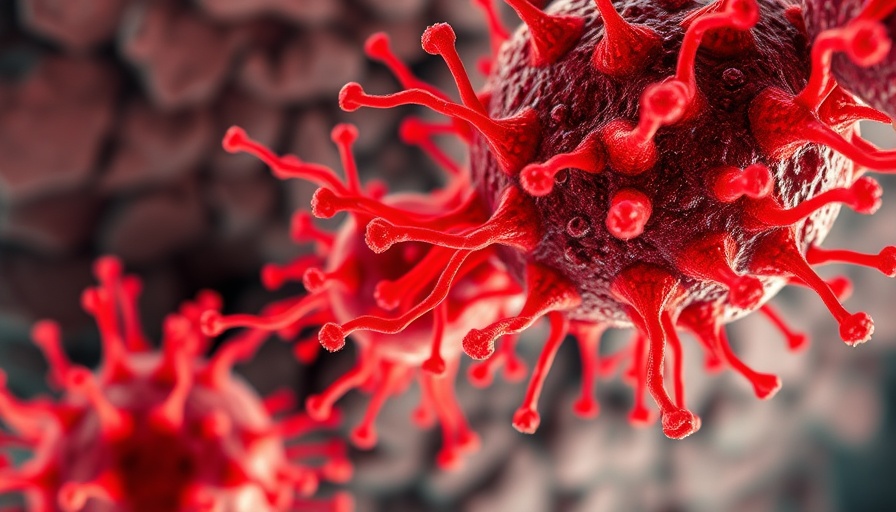
Close-up view of cancer cells in genomic study of prostate cancer.

Unlocking Genetic Insights: A New Era in Prostate Cancer Treatment

In the ever-evolving field of medicine, understanding the genetic makeup of patients is becoming increasingly critical, especially in cancer treatment. Recent genomic studies conducted on non-Hispanic Black veterans with prostate cancer are shedding new light on personalized treatment plans tailored to their unique genetic profiles. This groundbreaking research highlights how specific genetic markers can lead to more effective and targeted therapies, promising significant advancements in precision medicine.

The Importance of Diversity in Medical Research

Historically, much of the research conducted in medical fields has been on homogeneous groups, leaving significant gaps in understanding how various ethnicities symbolize different biological responses to diseases, especially cancer. This study focused on non-Hispanic Black veterans is a vital step forward in addressing these disparities. By utilizing a more diverse pool of subjects, researchers can uncover unique genetic variations, leading to better outcomes for cancer treatment tailored to Black men, who may experience harsher forms of prostate cancer.

Collaboration and Community Support: Key to Advancement

What stands out about this genomic study is not just the data collected, but how it was conducted. It involved collaboration between medical professionals and community organizations, ensuring that the voices and concerns of veterans were considered throughout the research process. This model of community-based research highlights the importance of trust and mutual respect in the fight against health disparities, offering a blueprint for future studies. Everyone in the community benefits when patients and researchers work together.

Future Predictions: Impacts of Genomic Research on Prostate Cancer Treatment

The findings from this study serve as a harbinger of what the future of prostate cancer treatment could look like. With advancements in genomic testing, doctors might soon be able to predict more accurately which treatments will be most effective based on an individual’s unique genetic makeup. This shift towards personalized medicine not only promises better treatment efficacies but also empowers patients by involving them more deeply in their health care decisions.

Actionable Insights: Steps for Patients and Caregivers

For men between the ages of 35-55, awareness of their prostate health is crucial, especially in light of these genomic advances. Regular screenings and being informed about one’s family history can aid in early detection. It’s vital that patients engage actively with their healthcare providers about which genomic tests may be suitable for them. Furthermore, advocating for and participating in clinical trials can also play a crucial role in enhancing personalized cancer treatment research.

Building a Healthier Community: Support Systems and Resources

Beyond individual actions, building a supportive community around health and wellness can be transformative. Support groups for cancer patients and their families can provide emotional comfort and essential information on navigating treatment options. Furthermore, platforms that offer educational resources about prostate cancer are invaluable, as they empower men to take control of their health journey.

Conclusion: A Call for Proactive Engagement

With the insights gained from genomic studies like the one conducted on non-Hispanic Black veterans, the potential for effective, tailored prostate cancer treatments is on the horizon. It is an essential time for men to educate themselves, participate in discussions about health, and take active steps toward engaging with their healthcare providers. Empowerment through knowledge is the key to navigating prostate cancer effectively, ensuring a healthier future for all.

As we continue to break down barriers and enhance our understanding of cancer, let’s move forward together. Stay informed, proactive, and engaged in your health journey.

Vitality

2 Views

0 Comments

Write A Comment

*
*
Related Posts All Posts
12.05.2025

Is Creatine Safe? Uncovering the Myths and Benefits for Active Men

Update Unpacking the Creatine Safety Debate: What You Need to Know Creatine supplementation has secured its position as one of the most popular and studied sports nutrients. Over the years, it has gained substantial attention for its potential to enhance athletic performance and offer various health benefits. However, some concerns regarding its safety continue to circulate, especially among older men and fitness enthusiasts in their 30s and 40s. This article aims to dissect the latest findings on creatine's safety profile and its implications for those in this demographic. The Science of Creatine Creatine is an amino acid compound primarily found in muscle cells, playing a critical role in producing energy during high-intensity activities. According to various studies, creatine supplementation can significantly increase intramuscular creatine levels, thereby enhancing athletes' performance, especially in short bursts of energy-consuming activities like sprints or heavy lifts. A meta-analysis conducted by the International Society of Sports Nutrition supports this, noting that muscle creatine levels can increase by approximately 20-40% with appropriate supplementation protocols. Benefits Beyond Sports Several studies have indicated that creatine might offer additional benefits beyond mere performance enhancement, including improved recovery, reduced injury risk, and even neuroprotective effects. For example, research suggests that it can aid recovery after exercises, reduce muscle damage, and help athletes tolerate high training volumes without the risk of injury. Moreover, there is emerging evidence that creatine supplementation may benefit individuals dealing with neurodegenerative diseases. Understanding the Risks Despite its growing popularity, concerns about the long-term safety of creatine supplementation cannot be overlooked. Traditionally, some have argued that creatine may lead to renal dysfunction, dehydration, or weight gain. However, comprehensive investigations have consistently shown that creatine is safe when used as directed. The American College of Sports Medicine and the International Society of Sports Nutrition both emphasize that no significant adverse effects have been reported in individuals engaging in regular supplementation. Furthermore, a report from Harvard Health underscores that daily doses of 3 to 5 grams are considered safe. Higher doses are not recommended not only because they may not amplify benefits but also due to potential stress on the kidneys. Those with pre-existing kidney conditions should consult their healthcare provider before beginning any supplementation regimen. Practical Dosage Guidelines For men aged 35-55 who are active, the most effective way to use creatine is through initial loading doses of about 20 grams per day, divided into several smaller servings, for the first week—followed by a maintenance dose of 3-5 grams daily. For individuals concerned about fluid retention or gastrointestinal discomfort, a lower dose of around 3 grams daily can also be effective but may take longer to saturate muscle creatine stores. Real-World Insights: What Athletes Are Saying Real-life feedback from athletes using creatine is overwhelmingly positive, especially among older fitness enthusiasts looking to maintain muscle mass and strength. Many report experiencing significant increases in workout performance and reduced muscle soreness following intense sessions. Personal testimonies indicate that when combined with a balanced diet and a properly structured training program, creatine appears to empower natural athletic potential. Conclusion: To Supplement or Not? As the creatine safety debate continues, the consensus among experts remains largely favorable, especially when used correctly. Creatine supplementation can be a useful adjunct for enhancing performance and supporting muscle health in men aged 35-55, particularly for those engaged in resistance training and high-intensity workouts. However, it's essential to consult health professionals, especially for those with existing medical conditions or on multiple medications. With proper understanding and caution, creatine could be a safe and effective addition to your health and fitness regimen. If you’re considering adding creatine to your routine, speak with your healthcare provider to determine the best approach that aligns with your health goals. Your body—and your performance—may thank you!

12.03.2025

Unveiling Green Tea's Health Benefits: The Ultimate Beverage for Men Aged 35-55

Update Discovering the Power of Green Tea: Nature’s Elixir for Health As we navigate our busy lives, health often takes center stage, especially for men aged 35-55 who are keen on wellness and vitality. Among countless wellness options, green tea stands out as a powerhouse of health benefits. Revered for centuries, this ancient beverage offers an impressive array of advantages that can enhance both physical and mental well-being. But what makes green tea so beneficial? Let’s dive into its remarkable properties and explore why it deserves a spot in your daily routine. The Antioxidant Superstars: What’s in Your Cup? Green tea is packed with catechins, a type of antioxidant that plays a crucial role in fighting inflammation and reducing the risk of chronic diseases. The most notable catechin is epigallocatechin-3-gallate (EGCG), known for its powerful health benefits. Research indicates that these antioxidants help protect cells from damage, support metabolism, and even reduce the risk of certain cancers. A comprehensive review highlights that individuals who consumed green tea regularly had a lower risk of developing conditions like breast, prostate, and colorectal cancers, thanks to its anti-inflammatory properties. Boosting Brain Health: A Natural Cognition Enhancer For professionals and fitness enthusiasts, staying sharp is essential. Studies reveal that drinking green tea can improve cognitive functions, enhancing mood, memory, and concentration levels. A noteworthy finding shows that regular green tea drinkers have a 64% lower chance of developing cognitive impairments. This cognitive boost can be attributed to compounds like caffeine and L-theanine, which work synergistically to enhance brain function without the jitteriness often associated with coffee. Heart Health: A Functional Beverage for Longevity Maintaining cardiovascular health is crucial, especially for middle-aged men. Green tea consumption is linked to lower cholesterol levels and blood pressure, significantly reducing the risk of heart disease. A 2023 study noted that drinking just two to four cups daily could lower stroke risk by up to 24%. These benefits arise from flavonoids in green tea that help maintain the flexibility of blood vessels and improve overall blood circulation. Weight Management: Sip Your Way to a Leaner You For athletes and gym enthusiasts, managing weight is key. Green tea can assist with weight management due to its metabolism-boosting properties. Research suggests that those who consumed four or more cups daily faced a 44% lower risk of abdominal obesity. Although the effect on weight loss may seem small at times, incorporating green tea into a balanced diet can complement other healthier habits to achieve fitness goals. Stress Reduction: Finding Calm in a Busy World In today's fast-paced lifestyle, managing stress is essential for overall health. Green tea contains L-theanine, an amino acid known to promote relaxation without causing drowsiness. Studies indicate that L-theanine can mitigate stress-related responses in the body, helping you maintain calm during challenging moments. Practical Tips for Enjoying Green Tea Integrating green tea into your daily routine can be both enjoyable and beneficial. Experts recommend brewing green tea by heating filtered water to 160-180°F and steeping the leaves for one to three minutes to avoid bitterness. Whether you prefer it hot or cold, this delightful beverage not only tastes good but also promises a multitude of health boosts. Final Thoughts: The Potential of a Simple Brew The myriad of health benefits that green tea offers—from enhancing cognitive function to supporting heart health and weight management—makes it an ideal addition to any lifestyle, especially for men seeking optimal health. Given its rich history and the growing body of research supporting its benefits, it’s time to embrace green tea not just as a drink, but as a daily health ritual. If you’re looking to enhance your well-being, why not brew a cup of green tea today? With its delicious taste and powerful health benefits, it’s a simple yet effective choice for anyone striving for a healthier life. So raise your cup to good health; your body and mind will thank you!

11.30.2025

WHO’s New Infertility Guidelines: Empowering Men 35-55 for Healthier Futures

Update Addressing the Infertility Epidemic: A Global Perspective Infertility is a pressing issue that touches the lives of millions worldwide, yet it has been largely overlooked as a public health crisis. The World Health Organization (WHO) has taken a significant step in acknowledging this reality with its first-ever global guideline for the prevention, diagnosis, and treatment of infertility. With estimates suggesting that 1 in 6 individuals of reproductive age will face infertility at some point, the demand for effective and accessible fertility care is paramount. Recognizing the Need for Change Dr. Tedros Adhanom Ghebreyesus, WHO Director-General, emphasizes the urgency of making fertility care safer, fairer, and more affordable. Millions find themselves unable to access the necessary treatments due to immense costs, as seen with in vitro fertilization (IVF) often costing double the average annual household income in some regions. This financial barrier perpetuates stigma, distress, and social isolation for those affected. Guideline Highlights: What You Should Know The guideline offers 40 recommendations aiming to integrate fertility care into national health strategies. Notably, it advocates for prevention through education on fertility issues in schools and health care settings. Lifestyle choices, including diet, physical activity, and avoiding harmful substances, are highlighted as influential factors aiding conception. Confronting Lifestyle Challenges As men aged 35-55, it’s important to recognize the influence of lifestyle on fertility. Factors such as diet and exercise not only support overall health but can enhance reproductive capabilities. Incorporating healthy habits could not only improve physical condition but may also bolster emotional resilience during stressful times, particularly when faced with fertility challenges. Emotional Toll and Psychosocial Support The emotional burden associated with infertility can lead to mental health issues like anxiety and depression. The WHO guideline acknowledges the need for comprehensive psychosocial support for those navigating infertility. Realizing you’re not alone in this journey can be a powerful motivator for seeking help and community. Connecting with support groups or finding mental health resources can provide vital emotional safety. Future Insights: A Roadmap to Accessibility Implementation of these guidelines will require coordination among governments, health professionals, and patients. This collaboration is essential for ensuring that care is not only available but also equitable across diverse demographics. Monitoring progress will facilitate adaptations to meet local needs and contexts. Empowering Choices Through Education The crux of the WHO guideline enhances the importance of education in reproductive health, empowering individuals to make informed decisions about their lives. By understanding their options and the implications of their lifestyle choices, men and women alike can take proactive steps toward a healthy reproductive future. Conclusion: Take Charge of Your Health This groundbreaking guideline provides the framework for addressing infertility on a global scale, reinforcing the idea that everyone deserves access to knowledgeable care. As you navigate through life’s challenges, including reproductive health, consider integrating healthy habits and supporting your mental well-being. Remember, being informed is one of the best steps you can take on your journey. Call to Action: Be proactive about your reproductive health. Educate yourself on fertility, lifestyle choices, and support systems. You hold the key to a healthier future; let knowledge lead the way!

Terms of Service

Privacy Policy

Core Modal Title

Sorry, no results found

You Might Find These Articles Interesting

T
Please Check Your Email
We Will Be Following Up Shortly
*
*
*