Add Row
Add Element
vitality for men
update

Vitality for Men Atlanta

update
Add Element
  • Home
  • Categories
    • Men's Health
    • Vitality
    • Fitness
    • Nutrition
    • Lifestyle
    • Mental Health
    • Atlanta
    • Self-Care
    • News
Add Element
  • update
  • update
  • update
  • update
  • update
  • update
  • update
June 12.2025
2 Minutes Read

Skip the Salt: Why Men Should Weigh in on Potassium Chloride Benefits

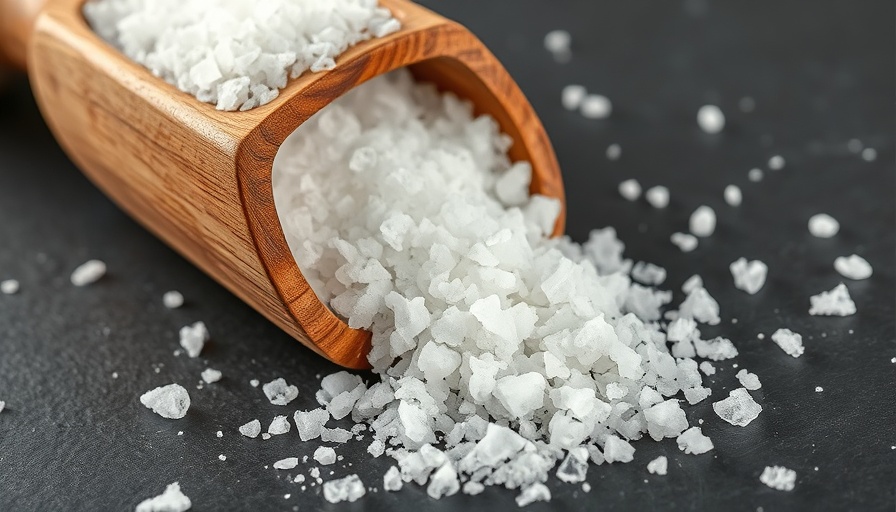
Coarse salt spilling from a wooden scoop on slate surface for men's nutrition context.

Understanding Salt and Potassium: A Modern Health Dilemma

Globally, physical inactivity leads to over 10 million years of healthy life lost, but dietary choices have an even larger impact—accounting for nearly 20 times that. High sodium intake is a major contributor to health issues among men aged 35-55, particularly those who are professionals or fitness enthusiasts. Not just a trivial concern, the amount of salt consumed today drastically exceeds what our bodies can handle. As recent discussions reveal, nearly 99.99 percent of the population fails to meet recommended sodium-potassium balances, often leading to life-threatening conditions such as hypertension and heart disease.

The Sodium-Potassium Imbalance

The average adult today consumes more than four times the body's natural tolerance for sodium, well over recommended limits set by the American Heart Association, which advocates for a daily intake below 1,500 milligrams. This imbalance has detrimental long-term effects, particularly for men focused on their health and fitness. Overconsumption of sodium not only weakens cardiovascular health but is also correlated with fatal health conditions such as stroke and kidney damage.

Why Potassium Matters

With an alarmingly low number of adults, less than 2%, achieving adequate potassium intake, the conversation shifts to the vital role this mineral plays in our overall health. Known for its ability to lower blood pressure, potassium is an essential nutrient that many are deficient in due to the shift toward processed foods. The evolution of our diets—from potassium-packed fruits and vegetables to sodium-laden fast foods—has left many without this crucial nutrient.

Improving Your Diet: Practical Steps

For health-conscious men, making simple adjustments to your diet can significantly boost potassium levels. Consider incorporating foods rich in potassium, such as bananas, spinach, and sweet potatoes. Meal planning that emphasizes whole, plant-based foods not only helps achieve necessary nutrient balances but also benefits overall health. As active individuals, integrating these potassium-rich foods can enhance workout performance and recovery, while better managing sodium intake.

Real-Life Benefits of Consuming Less Salt

Switching to potassium chloride as a salt substitute offers a compelling solution for those looking to reduce sodium without sacrificing flavor. By gradually swapping out regular salt for potassium-enriched alternatives, you can lower blood pressure and improve cardiovascular health. Furthermore, it can also help in weight management—a key consideration for fitness enthusiasts striving to maximize their health.

A Path Towards Healthier Choices

The direct correlation between high sodium diets and adverse health conditions is undeniable. Thus, recognizing the importance of potassium and making informed dietary changes can significantly enhance men’s health. Engaging in discussions around nutrition and lifestyle choices empowers you to become proactive in your health journey and inspire others in your circle to do the same.

Nutrition

1 Views

0 Comments

Write A Comment

*
*
Related Posts All Posts
12.12.2025

Mold Toxins in Cereals, Herbs, Spices, and Wine: What Men Need to Know

Update Understanding Mold Toxins in Everyday FoodsAs health-conscious men in today's fast-paced world, it’s important to be aware of the unseen dangers lurking in our diets. Mold toxins, particularly a type called mycotoxins, can contaminate a variety of food products including cereals, herbs, spices, and wine. Recent findings reveal that many of these staples may be tainted.Cereals, for instance, particularly oats, are often touted for their health benefits. They provide prebiotics that enhance the growth of beneficial gut microbiota, vital for digestion and health. However, while oats have their advantages, they can also be the primary source of a mold contaminant known as ochratoxin.The Prevalence of Mold in Our Food SupplyA staggering percentage of global crops—estimates suggest as high as 60% to 80%—may carry these mold toxins, which are hazardous to our health. While we often think of these molds affecting grains, spices such as paprika and dried herbs can harbor some of the highest concentrations of mycotoxins. Although consumed in small quantities, their presence can still be significant.It’s not just a matter of quantity; the potential effects on men’s health are concerning. Ochratoxin is linked to various health risks, including kidney toxicity and immunosuppression. Such toxins are especially dangerous for those with specific health vulnerabilities, making it important to consider not only what we eat but where it comes from.Wine: A Hidden Source of ToxinsFor wine enthusiasts, there's another layer to this issue. Studies indicate that some wines, particularly those from the U.S., have the highest levels of mycotoxins globally. Regular consumption may explain why ochratoxin levels are found consistently in the bloodstream of frequent wine drinkers. With many men enjoying a glass of wine to unwind, it’s critical to stay informed about these potential health impacts.Practical Tips for Safer ConsumptionSo how can we protect ourselves while enjoying our favorite foods and beverages? Here are a few tips:Storage Matters: Keep spices and herbs dry after opening to prevent mold growth.Be Selective: When possible, choose organic or well-sourced products, as they may carry lower toxin levels.Consider Detoxification: Use nutritional yeast, known to bind with mycotoxins and help reduce their absorption in the gut.Why This Matters to Men’s HealthFor men aged 35-55 who are focused on fitness and overall well-being, understanding mold contamination is crucial. These insights help you plan meals that support optimal health. This includes prioritizing foods rich in essential nutrients and understanding how to manage your weight effectively.As you consider your dietary choices, think about incorporating more wholesome, minimally processed foods. By doing so, you can steer clear of potential mycotoxins and fuel your body with the nutrients it needs.Taking Control of Your NutritionIn addition to these dietary adjustments, the understanding of how contaminants like mycotoxins affect health should influence how you shop for your meals and sports nutrition. Meal planning for men should prioritize clean, safe ingredients for optimal performance and health. Remember, being proactive about nutrition can greatly enhance your vitality.As you embark on your health journey, consider this a stepping stone to making informed choices. Together, we can create a healthier future by being mindful of the foods we consume. Stay curious, keep learning, and take charge of your health!

12.11.2025

Fasting for Cancer: How It Boosts Men's Health and Immunity

Update The Science Behind Fasting and Cancer Fasting has been recognized for centuries as a potential therapeutic strategy, with roots dating back to Hippocrates. While traditionally viewed as a negative response to illness, recent research reveals that fasting may actually enhance our immune defenses against cancer. Studies show that reduced food intake can significantly boost the activity of natural killer (NK) cells, which are crucial in identifying and destroying cancer cells. Fasting Enhances Immune Function In a notable experiment, participants who followed a severe fasting regimen of just 80 calories a day for two weeks experienced a remarkable 24% increase in NK cell activity. This increase in immune response offers promising insights into how fasting might alter the progression of cancers, potentially improving outcomes when integrated with other treatments like chemotherapy. The Role of Natural Killer Cells Natural killer cells are essential components of our immune system, acting swiftly to eliminate cancerous or infected cells without prior exposure. The correlation between fasting and heightened NK cell efficiency lays the groundwork for novel cancer treatments. Fasting primes these cells to thrive in nutrient-depleted tumor environments, enhancing their ability to combat malignant growths. Challenges in Implementing Fasting Therapies Despite its potential benefits, the application of fasting as a treatment for cancer has faced hurdles. A key concern is the cachexia syndrome, where cancer patients often face muscle and weight loss due to tumor-induced metabolic changes. Therefore, while encouraging studies demonstrate that fasting can amplify immune responses, the primary focus in cancer care remains on preventing weight loss and maintaining patient strength during treatment. Fasting and Chemotherapy Fasting could serve as a complementary approach alongside chemotherapy, a treatment known for its side effects like immune suppression and fatigue. Evidence suggests that a fasting-like diet may improve the efficacy of chemotherapy by enhancing immune cell functionality and protecting healthy tissue. Integrating fasting could potentially shield patients from chemotherapy’s harsh side effects while improving therapeutic outcomes. Practical Considerations and Future Directions For men aged 35 to 55, understanding the implications of fasting on cancer treatment is valuable. Not only can this information shape meal planning for enhanced nutritional intake, but knowledge about fasting might inform decisions about health supplements and overall well-being strategies. As research evolves, clinical approaches incorporating fasting could revolutionize how we tackle cancer. Take Charge of Your Health Empowering yourself with knowledge about fasting and its potential impacts on cancer can lead to better health management. By integrating insights on men's nutrition, weight management tips, and testosterone-boosting foods into your lifestyle, you can take proactive steps towards enhancing your health. Consider discussing dietary changes and fasting strategies with a healthcare professional to explore personalized options.

12.06.2025

How Fungal Toxins in Breakfast Cereals Impact Men's Health

Update Understanding Mycotoxins: The Hidden Threat in Your Breakfast As your morning routine begins with a bowl of satisfying cereal, have you ever considered what might lurk within that seemingly innocent breakfast? Recent studies have raised eyebrows regarding mycotoxins, toxic substances produced by certain molds found in various cereals, particularly oats and grains. While many enjoy the benefits of a plant-based diet, it appears that consumers might be inadvertently increasing their exposure to these mold toxins. What Are Mycotoxins and Where Do They Come From? Mycotoxins are secondary metabolites produced by molds, thriving in damp environments. Despite many molds being harmless, several species can produce potent mycotoxins like ochratoxin and aflatoxin, known for their severe health risks, including cancer and other chronic diseases. A recent investigation found a significant presence of these toxins in breakfast cereals across countries, including the United States, Pakistan, Spain, and more. For example, in Canada, researchers discovered that a staggering 40% of breakfast cereals were contaminated with ochratoxin, although only a fraction exceeded regulatory limits. The Increasing Mycotoxin Contamination in Cereals Global surveys show that mycotoxin presence is not just a local issue. An alarming report indicated contamination levels exceeding 60% for various mycotoxins in cereal products worldwide. Consistent findings have revealed that grain and cereal products from regions with humid climates, especially those with poor storage practices, show higher contamination rates. For men who prioritize health and nutrition, understanding these risks is vital. Are Organic Cereals Any Safer? Shifting to organic cereals might seem a logical step to reduce exposure to mycotoxins. However, studies reveal that organic products do not significantly lessen the risk of mycotoxin contamination compared to conventional ones. In fact, both types have shown similar levels of mycotoxin presence in various tests. This suggests a stringent need for better food safety practices across the board rather than focusing solely on organic labels. What's the Bottom Line for Men's Health? The implications of mycotoxin exposure are particularly concerning for men, especially those who lead active lifestyles or focus on fitness. The carcinogenic risk posed by these toxins can affect long-term health and significantly impact fitness goals or wellness efforts. Considering the existing health supplements and detoxified foods can potentially mitigate these risks, proactive dietary choices are essential. Practical Steps to Reduce Exposure So, what can you do as you enjoy your breakfast? Here are practical steps: Vary Your Grains: Avoid sticking to the same type of cereal every day. Rotating different grains may help limit exposure to particular mycotoxins. Select Trusted Brands: Look for brands that adhere to strict safety checks and transparency about their sourcing. Keep Cereals Dry: Store cereals in a cool, dry place to hinder mold growth. As the research evolves, staying informed about the quality of your food and its potential toxins becomes necessary for maintaining optimal health, especially for middle-aged men focused on longevity and vitality. Your Health Starts at Breakfast Armed with knowledge about mycotoxins, you can make conscious decisions about what you eat. Making informed choices about breakfast cereal could protect you from potential health threats while supporting your fitness and nutritional goals. Remember, while some risks might be unavoidable, taking proactive measures can help ensure a healthier path forward.

Terms of Service

Privacy Policy

Core Modal Title

Sorry, no results found

You Might Find These Articles Interesting

T
Please Check Your Email
We Will Be Following Up Shortly
*
*
*