Add Row
Add Element
vitality for men
update

Vitality for Men Atlanta

update
Add Element
  • Home
  • Categories
    • Men's Health
    • Vitality
    • Fitness
    • Nutrition
    • Lifestyle
    • Mental Health
    • Atlanta
    • Self-Care
    • News
Add Element
  • update
  • update
  • update
  • update
  • update
  • update
  • update
May 17.2025
2 Minutes Read

Discover How Plant-Based Diets Keep Ulcerative Colitis in Remission

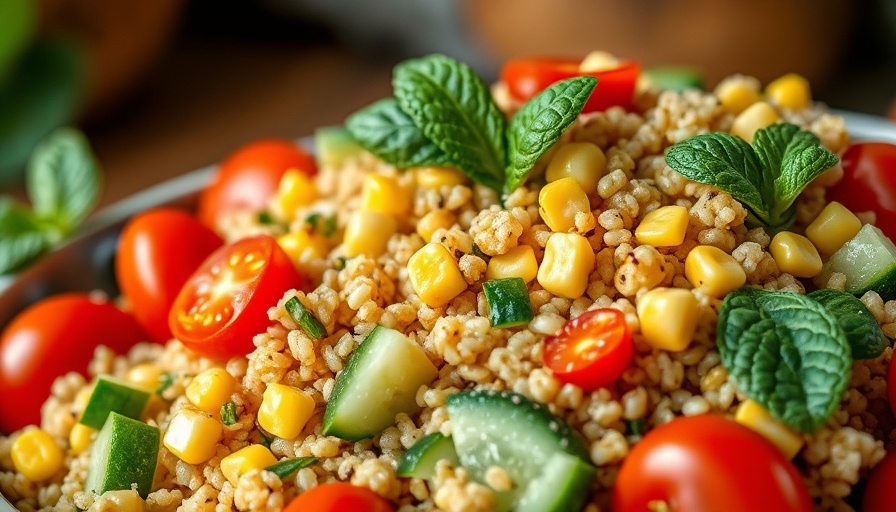
Vibrant quinoa salad promoting plant-based diets for ulcerative colitis.

Understanding Ulcerative Colitis and Its Management

Ulcerative colitis (UC), a type of inflammatory bowel disease (IBD), affects thousands of men, particularly those aged 35 to 55. The condition can lead to painful symptoms and severe complications if not managed correctly. However, emerging research highlights that dietary changes, particularly a shift to a plant-based diet (PBD), could significantly improve disease management and remission rates. In fact, studies suggest that a plant-based diet can be 98% effective in keeping UC patients in remission, a remarkable statistic that surpasses many traditional medical treatments.

Why Plant-Based Diets Matter

One of the critical findings regarding UC management is the role that dietary sulfur plays in the disease's progression. Meat, rich in sulfur-containing amino acids, may exacerbate inflammatory processes in the gut. Research indicates that reducing the intake of these amino acids through a plant-based diet can lead to substantial health improvements. In a recent study, ulcerative colitis patients switched to a diet rich in whole plant foods and experienced a fourfold improvement in their symptoms without changing their medications. Such evidence showcases the potential of diet as a powerful tool in managing this painful condition.

Real-World Impact: Patient Experiences

Consider the case of a 36-year-old man diagnosed with ulcerative colitis after a low-carb diet caused him to lose not just weight but his health. Upon shifting to a plant-based diet, his symptoms resolved, and he achieved remission entirely without the use of medication. This individual story reflects a growing body of case reports advocating for dietary interventions in treating IBD, thereby inspiring further scientific exploration.

Insights from Research

Japanese gastroenterologists have spearheaded significant research into the effects of diet on IBD management, concluding that the lack of a suitable diet is a major issue facing patients. Their findings reveal that adopting a plant-based lifestyle leads to remarkable remission rates in Crohn’s disease and underscores how diet can be intrinsic to managing digestive health.

Actionable Takeaways for Men

So, what does this mean for you? If you're a man aged 35-55 dealing with ulcerative colitis or wanting to manage your health proactively, consider evaluating your current diet. Prioritize meals rich in fiber, such as fruits, vegetables, whole grains, and legumes, while reducing meat intake. These dietary shifts can not only help keep ulcerative colitis in remission but also promote overall well-being, aligning well with any fitness and health goals you may have.

Conclusion: Empowering Yourself Through Nutrition

The relationship between diet and health outcomes is clear, particularly for conditions like ulcerative colitis. Embracing a plant-based diet could be one of the most impactful changes you make. If you're inspired to explore this dietary path further, consult a healthcare professional, nutritionist, or explore meal planning resources that emphasize men's nutrition. Take charge of your health today for a better tomorrow.

Nutrition

1 Views

0 Comments

Write A Comment

*
*
Related Posts All Posts
01.17.2026

Can Olive Oil Compete with Arthritis Drugs? Discover the Surprising Truth!

Update Exploring the Capacity of Olive Oil Against Arthritis Drugs Many men aged 35 to 55 experiencing life with arthritis may find themselves wondering—can olive oil rival traditional arthritis medications? With 50 million Americans suffering from arthritis, particularly osteoarthritis, the inquiry is more than just culinary; it presses into health and everyday living. Recent studies have put olive oil and various fruits against known anti-inflammatory drugs to see where they stand. The Underlying Inflammation Challenge Arthritis arises from multiple inflammatory pathways, which makes finding suitable treatments critical. While traditional anti-inflammatory medications like ibuprofen are common, they come with dramatic price tags and potentially severe side effects, such as heightened cancer risks. In this light, could incorporating natural solutions like olive oil bring relief without such burdens? Strawberries and the Power of Natural Foods Interestingly, some studies suggest that strawberries may have a more substantial impact on mitigating inflammation compared to olive oil. For instance, a comprehensive study highlighted how consuming dietary strawberries resulted in significant pain reduction. This raises the question—if fruits like strawberries provide great relief, does this imply we should reconsider our reliance on olive oil for arthritis? Topical Olive Oil as a Treatment Option While eating olive oil has shown mixed results, a recent study revealed something intriguing: topical extra virgin olive oil substantially reduced pain within a month when tested against a standard ibuprofen gel. Just a tiny portion applied three times daily presented a promising, low-cost alternative. This approach is particularly relevant in an age where finding natural and effective solutions is essential. The Hidden Truth About Extra Virgin Olive Oil Despite olive oil's reputation as a health elixir, its anti-inflammatory benefits remain questionable when consumed directly. Systematic reviews indicate that it may not induce significant relief or improvements in arthritis symptoms, showing no better results than butter in many studies. This might contradict popular belief, which adds a layer of complexity to understanding olive oil's true potential for arthritis relief. Rethinking Nutrition for Men’s Health So, what can men looking to manage arthritis take from these findings? It's clear that dietary choices play a pivotal role in inflammation and overall health. Incorporating a diverse diet with a variety of anti-inflammatory foods beyond olive oil could be the key. Men’s nutrition focuses on protein sources, essential nutrients, and testosterone-boosting foods—a combination that not only aids physical health but also mental well-being. Conclusions and Next Steps As we reassess traditional practices, adding a wider selection of fruits and potentially exploring topical applications of olive oil might enhance the management of arthritis symptoms. However, it remains vital not to exclude traditional treatments entirely, especially those that offer proven results. For men managing arthritis, a strategic meal planning process that combines these elements could lead to improved well-being and symptom relief. In sum, while olive oil might not replace traditional arthritis treatments, its topical application presents a practical and inexpensive alternative worth considering. Explore your nutrition options, get creative with meal planning, and always prioritize what works best for your body.

01.15.2026

Bariatric Surgery: Uncovering the Hidden Costs That Affect Men's Health

Update Understanding the Hidden Costs of Bariatric Surgery Bariatric surgery has gained popularity as a means to tackle severe obesity, often pitched as a straightforward solution. However, the reality is far more intricate, especially concerning weight regain and the associated psychological effects that can ensue post-surgery. The Reality of Weight Loss After Surgery Recent studies reveal that individuals undergoing bariatric procedures tend to regain weight over time. For instance, most gastric bypass patients lose significant weight initially but may find themselves returning to concerning body weights within a few years. This journey typically starts with a drop from an obese weight of around 285 pounds down to 178 pounds, only to rebound to around 207 pounds after seven years. This pattern highlights the challenges many face, with compulsive habits evolving from binge eating to 'grazing'—where individuals consume smaller portions frequently throughout the day. Such behavioral changes exacerbate the struggles many have with food post-surgery, leading to further complications. The Psychological Toll of Regaining Weight Weight regain after bariatric surgery is not just a physical setback but also a significant emotional burden. Patients often feel that they've failed at their last chance for weight loss, plunging them into deep psychological distress. There’s a noteworthy correlation between the experience of weight regain and increased risks of depression and even suicide. Research indicates that individuals who have undergone bariatric surgery experience depression at nearly four times the rate when compared to their counterparts who have not had surgery. To complicate matters, those who successfully lose weight often report a decline in their general mental health a decade later, despite improved physical health. This influencing cycle raises important questions about emotional readiness and the need for psychological support both pre- and post-surgery. The Importance of Mental Health Support The link between mental health and the weight regain phenomenon cannot be understated. An analysis of patients post-surgery showed that multiple factors, including impulsivity and eating-related disorders, contribute to significant weight regain, as evidenced in psychiatric studies. One significant finding reveals that those with diagnoses of binge-eating disorder are particularly prone to weight regain, highlighting the need for comprehensive mental health interventions. This emphasizes the importance of integrating mental health support into the surgical process, addressing the emotional and psychological hurdles that contribute to unhealthy eating patterns. Effective strategies include counseling before and after surgery and support groups that allow individuals to share their experiences and coping mechanisms. Social Expectations and The 'Quick Fix' Myth Societal perceptions often label bariatric surgery as an easy solution to obesity, failing to acknowledge the rigorous mental adjustments it entails. Expectations of an effortless transformation can lead many to face guilt and shame when obstacles arise. Such narratives reinforce the misconception that surgery is a 'cheat' method, rather than recognizing it as a tool that requires significant lifestyle changes and ongoing commitment. Navigating Life After Bariatric Surgery For those considering or having undergone bariatric surgery, understanding the potential pitfalls and challenges ahead is crucial. It's vital to equip oneself with knowledge about sustainable weight management tactics and prioritize mental well-being. Emphasizing essential nutrients, meal planning tailored to men, and identifying supportive communities can help foster resilience and healthier habits. Overall, the journey post-bariatric surgery can be fraught with unexpected challenges. With the right guidance, support, and perspective shifts, individuals can navigate their paths toward a healthier life, embracing both their physical and mental well-being.

01.09.2026

Exploring the Power of Lifestyle Changes to Reverse Diabetes: Do You Need Surgery?

Update Is Surgery the Only Path to Diabetes Reversal? As the battle against obesity and type 2 diabetes continues, the debate surrounding bariatric surgery, or "metabolic surgery" as it's often rebranded, has gained momentum. Proponents argue that the procedure can lead to remarkable remission rates for type 2 diabetes—around 50% for obese individuals and an impressive 75% for those deemed "super-obese." It's tempting to see surgical intervention as a miracle fix, but is it the only viable solution to reverse diabetes, or could lifestyle changes yield similar results without the associated risks? The Power of Lifestyle Changes What if losing weight without surgical alterations could bring about similar, if not better, results? Surgical procedures, while they do lead to significant weight loss and can normalize blood sugar levels within days, come with their own set of risks such as liver injury and complications post-surgery. Conversely, studies suggest even a modest weight loss of just 5% through caloric restriction can reduce liver fat by 10%. Therefore, incorporating more nutritious food choices could provide a non-invasive route to diabetes reversal. Scientific Evidence: The Caloric Restriction Debate Research conducted at the University of Texas highlights this very question. Patients scheduled for gastric bypass were subjected to a stringent low-calorie diet, mirroring what they would face post-surgery, without undergoing the procedure first. The findings were revealing: caloric restriction alone led to significant improvements in markers of diabetes control, and in many instances, patients did even better without the surgery. This suggests that the benefits traditionally attributed to surgery could, in fact, be largely due to the dietary changes initiated by the caloric restrictions. Diverse Perspectives on Metabolic Benefits Further complicating the narrative is also the body's intricate relationship with food and metabolic function. When individuals undertake severe caloric deficits, the body undergoes rapid changes that enhance insulin sensitivity and nutrient absorption. These metabolic adjustments can standalone lead to impressive health outcomes without requiring invasive procedures. Surgical interventions, on the other hand, may create a reliance on anatomical changes rather than empower individuals to change lifestyle habits, potentially setting them up for future health challenges. The Emotional and Physical Costs of Surgical Interventions While stepping into an operating room may seem like the more straightforward option, potential physical and emotional costs must be considered. The stressful prospect of surgery, recovery time, and risk of complications can weigh heavily on an individual's mental health. In contrast, the journey of sustainable lifestyle changes often nurtures resiliency and empowerment as individuals witness their bodies respond positively to healthier choices. Practical Tips for Weight Management Without Surgery Embrace Meal Planning: By organizing your meals, you can ensure consistent intake of essential nutrients and control portion sizes, a key factor in effective weight management. Prioritize Protein Sources: Incorporating lean protein helps in muscle maintenance while promoting feelings of fullness, making it easier to manage caloric intake. Consider Men's Health Supplements: If your diet lacks certain nutrients, specific supplements can help fill the gaps, boosting overall health and wellness. Incorporate High-Intensity Interval Training (HIIT): For those pressed for time, HIIT can offer significant benefits in weight loss and improving fitness levels. Stay Hydrated: Water is a natural appetite suppressant and can help encourage healthier food choices. Your Health Journey Starts Today Understanding the impact of weight on overall health can empower you to take proactive steps—whether through surgery or lifestyle changes. Explore different nutrition options, meal planning tailored for men, and consider how essential nutrients can make a difference in your life. Take charge of your health—it’s time to make the choices that work for you.

Terms of Service

Privacy Policy

Core Modal Title

Sorry, no results found

You Might Find These Articles Interesting

T
Please Check Your Email
We Will Be Following Up Shortly
*
*
*